

Threat Modeling. Think like an attacker. Protect what really matters.

How could an attacker hit your organization the hardest? And would you notice it in time? With Threat Modeling, Nerium identifies realistic attack scenarios, examines blind spots in your security, and translates the findings into concrete improvements and targeted detection measures.

  • Realistic attack scenarios
  • Blind spots revealed
  • Targeted Detection
Threat Modeling. Think like an attacker. Protect what really matters.

“Nerium understands what we need and implements solutions that truly meet those needs.”

“Nerium understands what we need and implements solutions that truly meet those needs.”

“Nerium understands what we need and implements solutions that truly meet those needs.”

Effective protection starts with understanding.

Effective protection starts with understanding.

Not every business process is equally important, and not every attack poses the same risk. Moreover, an attacker doesn’t necessarily need to gain direct access to your most critical systems. Sometimes the path goes through a supplier account, a cloud connection, or a system that manages access rights.


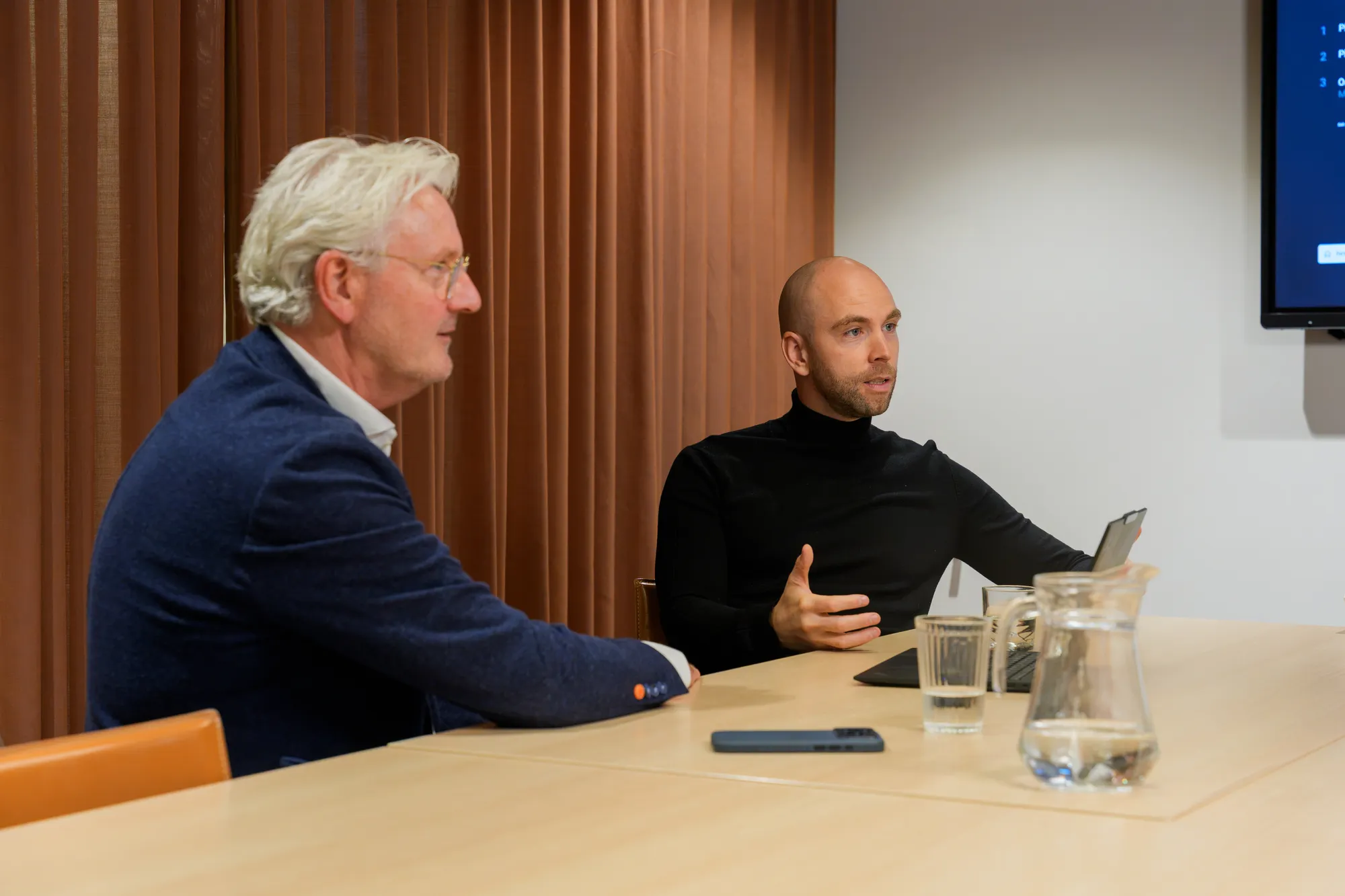
That’s why Threat Modeling at Nerium doesn’t start with technology, but with understanding your organization. Together, we determine which processes and data are critical, how attackers could gain access to them, and whether your existing security measures would prevent or detect such an attack. This way, we focus on realistic threats that are truly relevant to your organization.


Not just identifying risks, but also offering concrete solutions.

A traditional risk analysis often provides an overview of potential risks. At Nerium, threat modeling goes a step further. For every relevant attack scenario, we examine what happens when an attacker actually tries to gain access. This leads to two possible outcomes:

01. Prevention

Can the risk be eliminated? If so, we recommend appropriate security measures, such as stricter access rights, better network segmentation, or adjusted configurations.

02. Detection

If the risk cannot be completely eliminated, we investigate which logging is missing and, where necessary, develop customer-specific detection rules to identify suspicious activity.

When is threat modeling relevant?

Threat modeling is particularly valuable when you expect more from your security monitoring than just standard detections. For example, when there are changes in your IT environment or when critical business processes require additional protection.

At the launch of MDR

From the very beginning, we tailor our detection capabilities to your specific risks, critical systems, and potential attack vectors.

After an incident or a red team exercise

We translate the insights we’ve gained into security improvements and verify that relevant attack techniques are detected.

When changes occur in your IT environment

A cloud migration, a new application, a changed identity structure, or an external integration can create new attack vectors.

In the Face of Evolving Cyber Threats

New attack techniques or targeted threats within your industry may prompt you to reassess existing scenarios and detection methods.

24/7. Protection Successfully Tested

24/7. Protection Successfully Tested

During unannounced Red Team and penetration tests at one of our clients, threats were identified in a timely manner and addressed immediately where necessary.

Based on a customer reference. Reference available upon request.

From Critical Business Process to Effective Detection

At Nerium, threat modeling is not a one-time exercise. Our detection engineers and incident responders combine their knowledge of your IT environment with practical experience gained from cyber incidents. We immediately translate the results into concrete improvements and targeted detection measures.

01. Understanding What’s Important

Together with your IT team, information security staff, and process owners, we determine which business processes, systems, and data are essential. We also assess the available logging capabilities.

02. Investigate attack vectors

We investigate how attackers can gain access to critical systems through identities, administrative accounts, applications, cloud environments, and vendors. To do so, we use tools such as MITRE ATT&CK and up-to-date knowledge of attack techniques.

03. Identifying blind spots

For each realistic attack scenario, we assess whether the attack is prevented, detected, or might go undetected. We prioritize the risks based on impact and likelihood.

04. Improve and Continue to Evaluate

We translate the findings into concrete measures and customer-specific detection strategies. By periodically evaluating these and repeating the threat modeling process, we ensure that your security continues to align with your IT environment and current threats.

From attack scenarios to targeted protection.

From attack scenarios to targeted protection.

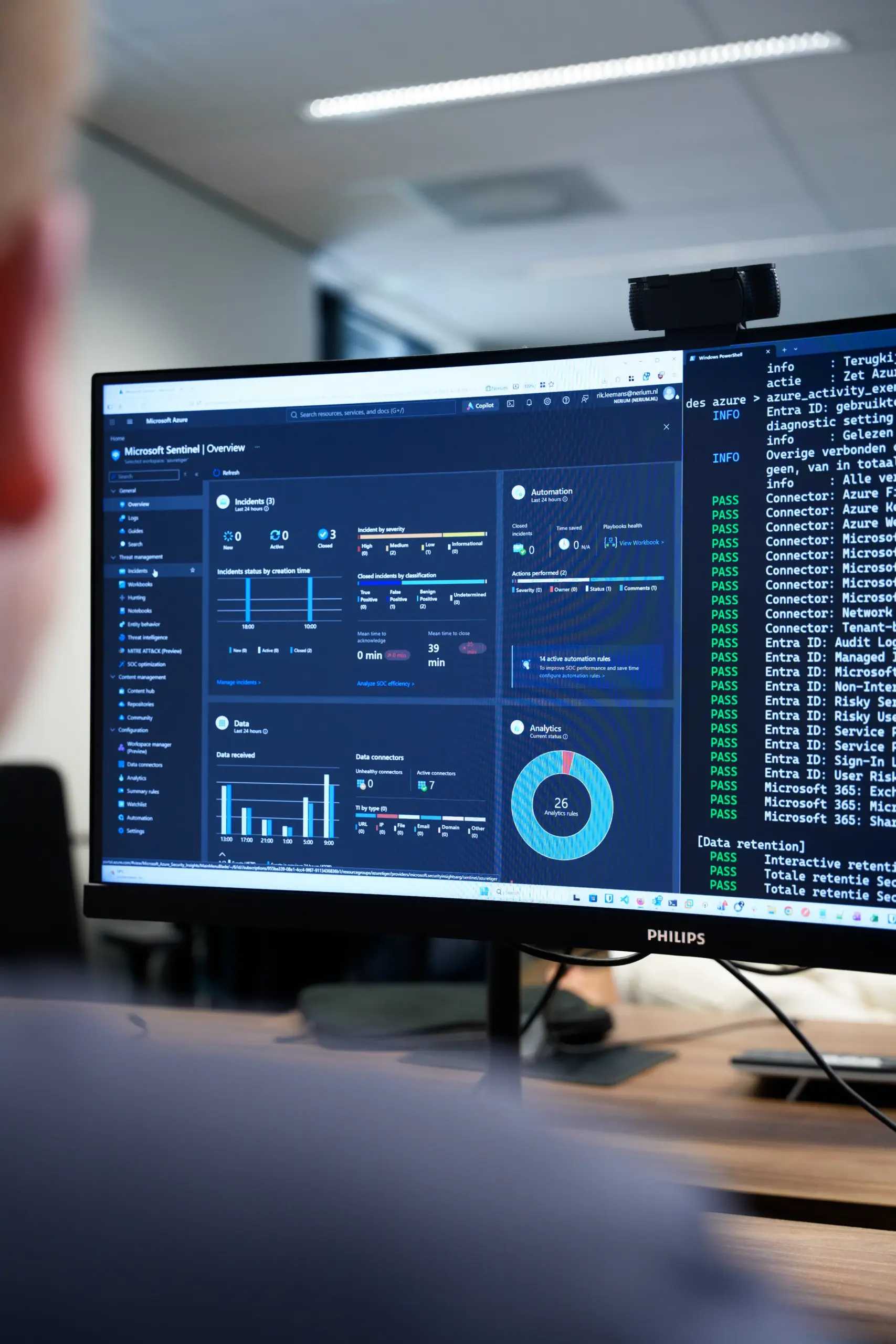
Threat Modeling serves as a key foundation for our core service, Managed Detection & Response (MDR). By understanding in advance how attackers could target your organization, we can monitor more effectively and identify threats that standard security measures might miss.


Through Detection Engineering, we translate these insights into customer-specific detection rules. These are developed, tested, and managed as code, ensuring that detection can be demonstrably improved and remains aligned with your risks.

Proven when it counts

Learn how Nerium helps organizations identify cyber threats, eliminate blind spots, and strengthen their digital resilience.

Cta image

Would you be able to recognize a targeted attack?

Nerium identifies realistic attack vectors and blind spots and translates them into concrete improvements. Together, we determine which threats are truly important to your organization.

Request a no-obligation consultation