

Charming Kitten, also known as APT35, is a state-sponsored Iranian cyber-espionage group that is widely believed to operate on behalf of the Islamic Revolutionary Guard Corps (IRGC). [1] They focus on long-term operations targeting the US, Middle Eastern military, and organisations in engineering, business services and other sectors.
When Nerium was called to respond remotely to an incident in the Middle East, it became clear that the organisation had been compromised for months. Cybercriminals had been operating under the radar, siphoning off valuable email data undetected, and if it hadn’t been discovered by chance, the breach might still have been active. Through thorough analysis, we identified the attack as linked to Charming Kitten, also known as APT35, APT42, Mint Sandstorm, and Nexus Group.
Covert operations
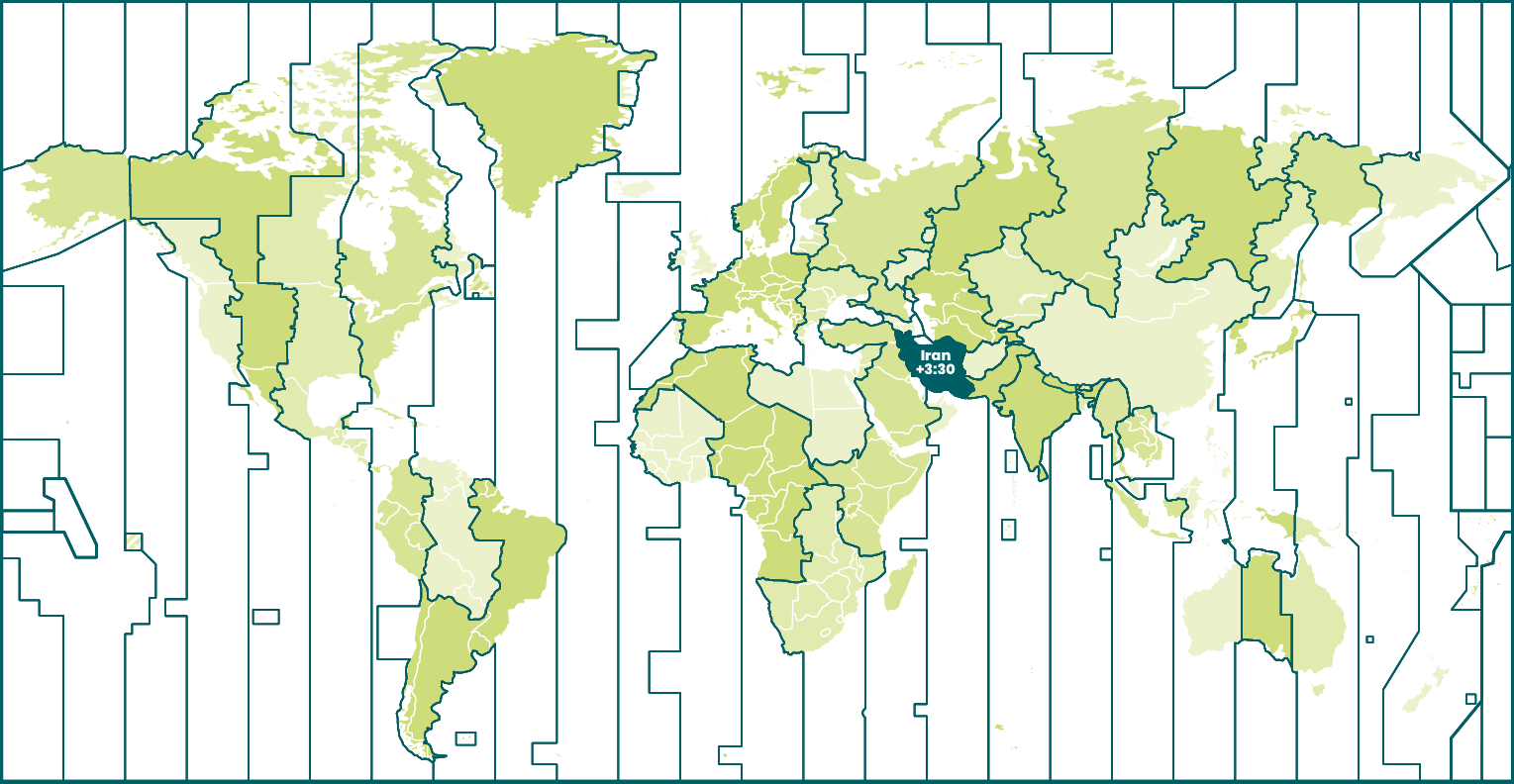
Using Cyclops malware and web shells while meticulously erasing their tracks and adapting their methods, the adversaries had covertly embedded themselves into the organisation’s systems. Our investigation revealed compelling evidence from IP addresses, custom (Go-based) malware, domains, observed Tactics, Techniques, and Procedures (TTPs), and detailed activity pattern analysis. Additionally, we noticed that all adversary activity over a six-month period occurred exclusively during Islamic business hours, with a notable silence on Fridays – a traditional day of rest in many Muslim countries. Taken together, this evidence allowed us to confidently attribute the attack to state-sponsored actors, with the Iranian government as the likely culprit.
All but charming
APT35 has carved out a reputation for targeting military, diplomatic, and government personnel, particularly in the U.S. and the Middle East. Their reach extends beyond these sectors, infiltrating media, energy, defence, engineering, business services, telecommunications, and, possibly also, US elections. [1] And while the name might be charming, the tactics employed by Iranian-sponsored adversaries are anything but.
Cyclops malware
In this case, the attackers sought to maintain permanent access by planting custom webshells on the organisation’s Outlook Web Access (OWA) servers. These webshells allowed them to remotely control the servers, run commands, and access sensitive files. Attempts were also made to install Cyclops malware, but those efforts failed. Written in Go, this newly discovered malware platform — likely developed as a successor to BellaCiao [2] — allows its operators to execute arbitrary commands on the target’s file system and pivot within the infected network.
Classic con blunder
For over half a year, the attackers achieved operational success by exfiltrating a significant amount of email data — and they might have still been harvesting it if they hadn’t let their guard down. After securing the stolen data, the adversary became overconfident and careless. A classic con blunder that ultimately resulted in their discovery. In their attempt to access additional servers, they triggered multiple alarms in Defender, which was promptly picked up by the security monitoring team.
Rapid and proactive response
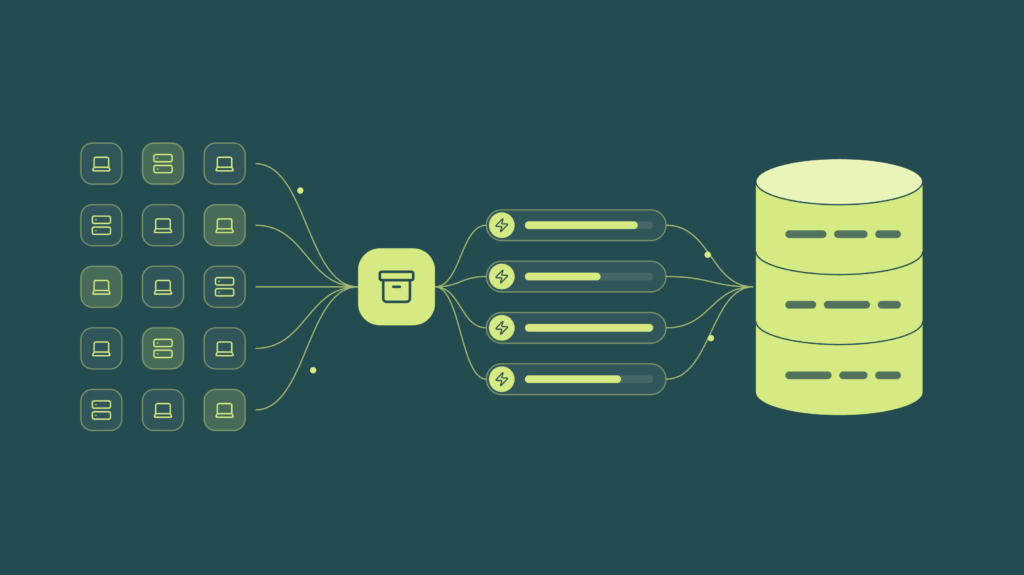
When Nerium was called in, our incident response expertise in identifying and neutralising advanced threats was crucial. Our rapid and proactive response not only mitigated the immediate danger but also succeeded in removing the attackers from the digital environment and making it more difficult for them to infiltrate again. With the client’s system recording screen activity, including that of the adversary, we were offered a rare insight into the attackers’ operations, allowing us to pinpoint their methods with high precision.
Investigating the incident was essential, as understanding what had occurred is key to preventing future breaches. Through our analysis, we obtained critical intelligence on Charming Kitten’s techniques, including their use of malicious PowerShell scripts to export email data, the command-line version of PuTTY for data exfiltration, and Cyclops malware to maintain persistence within the compromised systems.
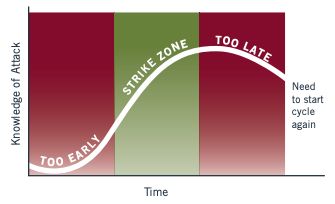
Securing the strike zone
We developed specific detection rules and Indicators of Compromise (IoCs) to help identify similar threats in the future, including YARA rules to detect the presence of webshells and Cyclops malware. To counter the threats posed by Charming Kitten, we offered strategic advice on damage containment, recommending the isolation of affected systems to prevent a game of whack-a-mole with the adversaries. Knowing that cybercriminals often re-establish access through alternate backdoors the moment one is removed, we waited to isolate the attack until we were confident that all backdoors had been identified. This approach ensured that if the attackers attempted to regain access, we would quickly detect any new activity within the IT infrastructure we were investigating, ultimately preventing further breaches
Sharing is winning
Building on years of experience in incident response, we successfully contained this threat. But we wouldn’t have been able to catch this Iranian cat without the collaboration of our colleagues and fellow professionals. At Nerium, we believe in the power of shared knowledge to strengthen our defences and enhance our responses to emerging threats. That’s why, paying it forward, we have distilled the lessons learned from this incident into actionable steps that other organisations can take to safeguard their IT environments. By openly sharing our findings, including Tactics, Techniques, and Procedures (TTPs), we aim to empower others with the tools needed to recognise and respond to similar threats. Cybersecurity is a collective effort – a game only won by working together.